
Hatfield service for student residences, cafés and high-turnover hospitality kitchens
Hatfield appliance enquiries often come from high-use properties where multiple tenants or rotating staff operate the same equipment. We establish which machines are affected, who manages them and whether a repeat fault has been logged across shifts.
A fault in a Hatfield shared-use property may be reported by different people using different terms. We ask the manager to identify the exact machine, when each complaint happened and whether staff witnessed the symptom. A brief consistent log separates one recurring mechanical failure from several unrelated usage problems.
Fault patterns we distinguish on site
Laundry equipment with inconsistent use
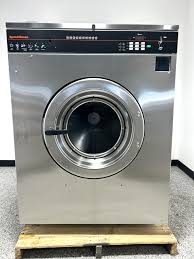
A communal washer may be reported as leaking when the actual cause occurs only with heavy bedding loads, blocked dispensers or detergent oversudsing. We ask for a description of the programme and load when the leak starts, and where the water exits.
Inspection considers door seals, drainage connections, hose routing and operating conditions. Managers should identify the individual machine rather than booking only “the laundry room,” especially where several identical units are installed.
Small commercial kitchen electrical faults
In cafés, countertop ovens and water-heating appliances can fail after repeated short cycles or an unsuitable extension setup. We distinguish appliance-generated heat or switching faults from damaged sockets and supply problems.
The site should report whether the appliance is plugged into a dedicated outlet, its rated power and whether other units are on the same circuit. A qualified electrician may be required where fixed wiring or socket condition is implicated.
A fault reappears between tenants
When one operator calls a unit faulty and the next says it works, the cycle settings, loading pattern and intermittent contact matter. A simple time-stamped fault log captures details that disappear in a telephone description.
We suggest recording which controls were selected, whether an error light appeared and what reset temporarily restored function. The technician can then attempt to reproduce the reported fault under controlled conditions.
How we assess Commercial appliance repairs in Hatfield
Heavy laundry usage affects hoses, door seals, drains and pump operation in ways a lightly used home appliance may not reveal. For an intermittently wet floor, note the load size, detergent and programme alongside the position of the water. Those details guide inspection without blaming users or replacing parts prematurely.
What to record before a technician arrives
For managed accommodation, give the unit number and authorized access contact. Confirm whether equipment is shared, as a single unattended inspection may not reproduce a problem linked to use patterns.
A commercial kitchenette often has small equipment crowded onto a limited power supply. Before diagnosing two appliances at once, we need to know if an outlet, extension arrangement or building circuit is involved. Unsafe electrical setups should be addressed by an appropriately qualified electrician; the machine must not be repeatedly powered up to force the fault to reappear.
Residence access can determine whether the booked appointment is productive. Confirm the laundry-room hours, keys, tenant notification and whether a responsible caretaker will be present. If a machine is in a private unit, obtain the necessary permission rather than assuming that a building manager can provide entry.
Planning a visit to Hatfield
Provide the residence or restaurant facilities manager’s details and arrange a clear approval path for diagnosis and any replacement parts.
Site-specific preparation and follow-up
Once the equipment has been assessed, operating instructions or maintenance suggestions should be passed to the person managing its daily use. For communal machines, a visible out-of-service label and a clear route for reporting new faults help avoid uncertainty while parts, further tests or another visit are being arranged.
Our Hatfield assessment starts with one identified machine and a clear history from whoever operates it most. A caretaker’s report of a leak and a tenant’s report of a failed spin may describe separate conditions; aligning the dates and programmes makes troubleshooting more reliable.
Choosing the right service if the fault is different
Communal laundry faults should be considered independently of office kitchen equipment and fixed-property plumbing. If a socket, building drain or shared water feed is defective, that wider issue may need a different contractor. We will explain that distinction rather than replace appliance parts on assumption.
For other appliance faults at this address, see our Hatfield service-area guide.
Service enquiry information to send
Three observations are particularly useful for this kind of Hatfield call: when laundry equipment with inconsistent use first becomes apparent, whether small commercial kitchen electrical faults occurs at the same time, and whether a fault reappears between tenants changes with the daily workload. This timeline can reveal whether one system is responsible or several issues are being reported together. Please do not reproduce a dangerous fault to gather the details.
Give the property name, laundry-room or unit number, model code and the caretaker’s contact. It is particularly helpful to describe whether the issue happens during heavy loads, short programmes or a particular resident’s use, without asking anyone to recreate an unsafe fault.