
Reliable commercial refrigeration system fault diagnosis and repairs
We attend to commercial display refrigerators, chilled storage cabinets, undercounter units and related cooling installations with unstable temperatures, alarms, leaks, frost or repeated shutdowns. We focus on protecting operational continuity while tracing the technical cause; the business remains responsible for decisions about product safety and disposal.
Rosslyn facilities can operate staff canteens, catering equipment and refrigeration installations close to industrial workshops or loading areas. We ask whether the condenser is exposed to dust, restricted ventilation or high heat loads. Industrial site access, induction and permitted shutdown windows should be established before the service call.
Faults we can assess
Rosslyn commercial equipment may operate near dusty industrial activity, so we ask how heat exits the condenser compartment and whether the fan is moving air normally. A cabinet that worsens during loading may also be struggling against additional heat input. We review the temperature trend before drawing conclusions about the cooling circuit.
- Display cabinet or undercounter unit above its normal temperature
- Short cycling, protection trips or repeated high-temperature alarms
- Iced evaporators, condensation or leaking condensate
- Cooling performance falling during busy loading or trading periods
Condenser fans struggle in a dusty equipment area
Restricted heat rejection can push operating pressures and temperatures outside their normal range, reducing cooling and triggering protective controls. Cleaning may help if fouling is present, but fans, airflow and refrigeration performance must still be assessed. A repeatedly tripping motor should not be bypassed to keep production moving.
A refrigerated cabinet takes too long to recover after loading
Warm goods, open loading doors and repeated high ambient heat can extend recovery time, while failed fans or cooling weakness can make it persistent. We compare the trend before and after loading and check whether the cabinet returns to its set point during quieter periods.
A compressor cuts out on protection during the afternoon
High operating temperature, ventilation faults, electrical loading or mechanical problems can trigger protection. The timing, alarm history and condition of adjacent equipment all help direct inspection. Cycling power repeatedly can worsen an underlying problem.
A practical repair plan, not unnecessary parts
A refrigeration unit near Rosslyn industrial yards can collect dust around the condenser and fan assembly. We first assess whether air can enter and leave the equipment properly, then consider operating temperature and pressure behaviour where appropriate. Restricted ventilation may be contributing to poor cooling, but replacing the compressor without measurement would be premature.
If the cabinet warms only after a busy loading period, we compare the recovery trend with actual refrigeration performance. A slow decline over several shifts is different from a brief heat gain after opening the door. The product operator should retain temperature logs while we concentrate on controls, fans, defrost and mechanical condition.
What we check before recommending a repair
A ventilation correction or fan repair may restore capacity without major refrigeration work, but faults causing electrical overload or compressor protection require suitable tests. We distinguish those circumstances and explain the likely parts and shutdown scope. An alarm reset is not an acceptable substitute for verified product-safe temperatures.
A plant inspection on an industrial site may require a safety induction, escort and scheduled shutdown. We request these details in advance. A motor that trips its protection should not be forced to restart to meet a production deadline; the electrical or mechanical cause must be found first.
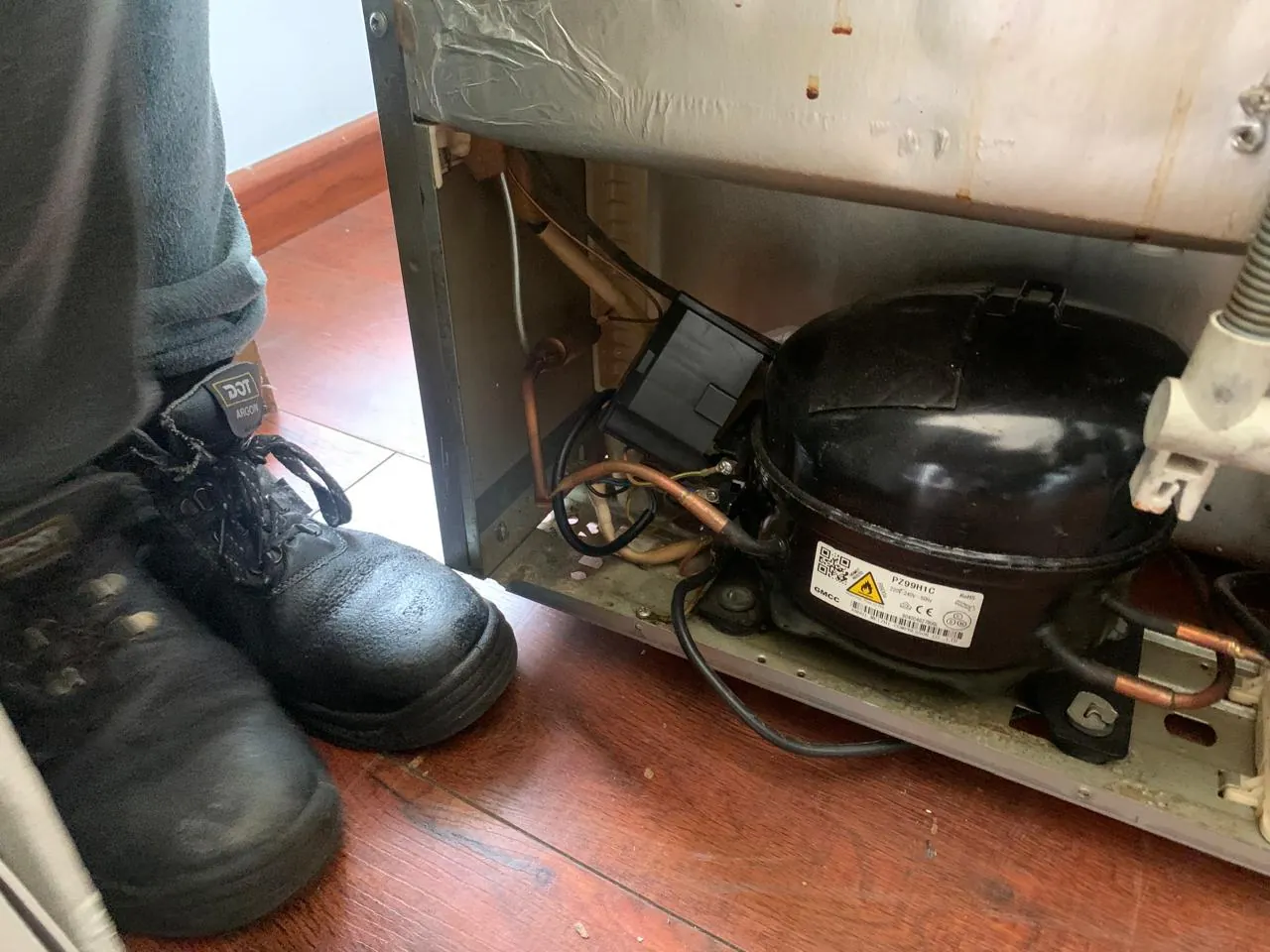
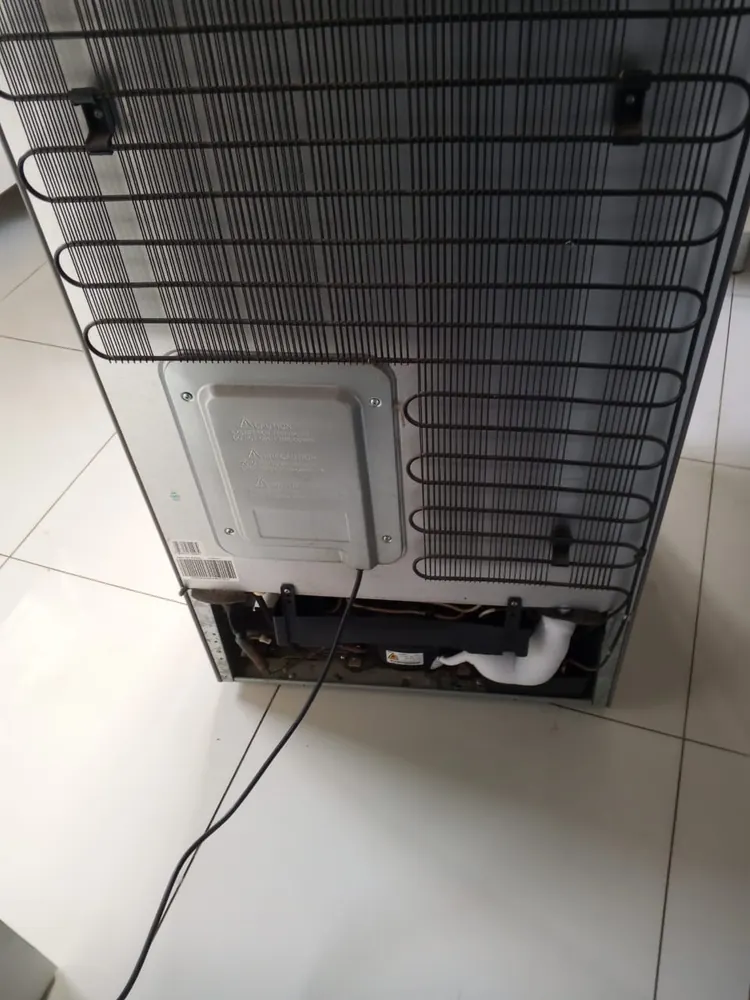
Inspecting the equipment behind the fault
We investigate the working parts, electrical controls and installation conditions involved before recommending what should be repaired.
Preparing for your Rosslyn service visit
Please notify us of plant-room access controls, required PPE, loading schedules and the responsible maintenance coordinator. Make the controller set point and temperature records available; do not open equipment guards.
Give the facility contact, site induction requirements and any planned maintenance window. If the unit is positioned in a guarded plant room, confirm who holds access permissions. Send alarm records and readings, and do not open electrical guards to obtain model labels.
If the displayed temperature exceeds your business hold limits, act under your existing food safety or product-handling procedure and document readings. Do not bypass alarms, overload circuits or repeatedly reset a tripping refrigeration plant. Only appropriately competent personnel should handle refrigerants and electrical components.
Considering site conditions during follow-up
When equipment operates near dusty workshops, a corrected electrical or fan fault can recur if heat rejection remains restricted. We therefore discuss airflow, condenser access and the service interval appropriate to the actual environment. Plant protection should not be bypassed to keep a cooling unit running. After a repair we review whether the unit is moving toward its normal operating temperature and whether the previous alarm returns. Site management remains responsible for stock, safety permits and any industrial shutdown procedures.
Service coverage and related repairs
Our service team handles enquiries in Rosslyn and other parts of Pretoria and Centurion. For a full explanation of our service scope, visit commercial refrigeration repairs in Pretoria. You can also explore appliance repairs in Rosslyn, browse the services directory or view recent repair work.