
Shared laundry facilities and hospitality washing demand
Our Pretoria Central service enquiries include water remains in the drum after a busy morning, a heavy load shakes the machine against its housing and the door stays locked even when a cycle has ended. We start from how the system is actually behaving and the installation conditions at the site, then discuss which diagnostic checks are appropriate for that model.
Commercial laundry in Pretoria Central can serve guest accommodation, small businesses and shared residential buildings. We ask whether the machine is run by trained staff or many different users because loading patterns, detergent doses and cycle choices influence repeated faults.
Common faults and how we approach them
- Water remains in the drum after a busy morning
- A heavy load shakes the machine against its housing
- The door stays locked even when a cycle has ended
Water remains in the drum after a busy morning
A blocked pump filter, restricted drain hose or failed drain pump can interrupt the final stages. We ask whether the machine gives a pump error and whether other units share the same drainage connection. A plumbing backflow should not be mistaken for a washing-machine motor fault.
A heavy load shakes the machine against its housing
Unbalanced bedding, worn suspension or poor floor stability can produce different vibration patterns. We compare empty and loaded spin behaviour, mounting and drum movement. Continuing to run a violently moving unit can damage bearings, hoses and nearby finishes.
The door stays locked even when a cycle has ended
Commercial interlocks may remain engaged when water has not drained, a fault is active or the safety control is defective. We inspect the reason before attempting a release. Forcing the handle can turn a small repair into a damaged door assembly.
Planning the right service assessment
Understanding shared drains and building constraints
In a communal laundry room, a machine that will not empty may be reacting to restricted building drainage rather than a failed internal pump. We ask whether another washer discharges slowly and whether water appears in a floor drain during the spin stage. A door that stays locked often reflects an unresolved water level, so forcing it is not a safe first response. When one heavy load produces violent movement, we also look at floor stability and drum suspension rather than blaming a user without inspection.
A building manager can help by identifying the specific washer, keeping the affected machine unavailable and confirming who may isolate water and power. The technician needs enough floor space to work without obstructing fire routes or neighbouring equipment. After service, we discuss the original wash stage that failed and whether follow-up observation is needed during a normal tenant load. A shared plumbing issue should be reported separately if it remains.
Information that helps narrow the fault
Please identify the precise washer, programme stage and load type, whether the door is locked or water remains in the drum, and the error if one appears. If several units are installed, tell us whether they share the symptom. Do not ask staff to repeat a cycle on visibly unsafe equipment.
Can you repair a washer in a shared apartment laundry?
We can discuss a service visit with the responsible property manager, but access and repair authorisation should be confirmed before work begins. The fault is assessed on the machine actually installed.
For a service enquiry in Pretoria Central, it helps to distinguish "water remains in the drum after a busy morning" from "the door stays locked even when a cycle has ended" when you speak with us. They can lead to different diagnostic checks even on the same machine. Share the stage at which the fault occurs and any conditions that changed immediately beforehand. We will discuss the next step after the relevant service arrangements and access needs are clear.
Communicating a shared laundry repair to occupants
Where washing equipment is shared, keeping the faulty machine visibly out of use prevents repeated cycles that may worsen the condition. The manager can tell users which unit is affected, what stage fails and whether there is any water on the floor. Any wash programme used after work should be an authorised test, not a request that tenants keep trying to reproduce the fault. If drainage belongs to the building rather than the machine, that should be escalated separately.
What to have ready before an appointment
Advise whether the site uses a laundry schedule or has resident access restrictions. Provide the error history, brand/model, cycle type and whether water or electricity can be isolated without interrupting other tenants.
Diagnosis and the repair decision
Confirming that the reported fault has been addressed
After repairing the identified fault we discuss how to test drainage and a representative spin cycle safely. Staff should be able to recognise repeat imbalance or drainage warnings before overloading the equipment again.
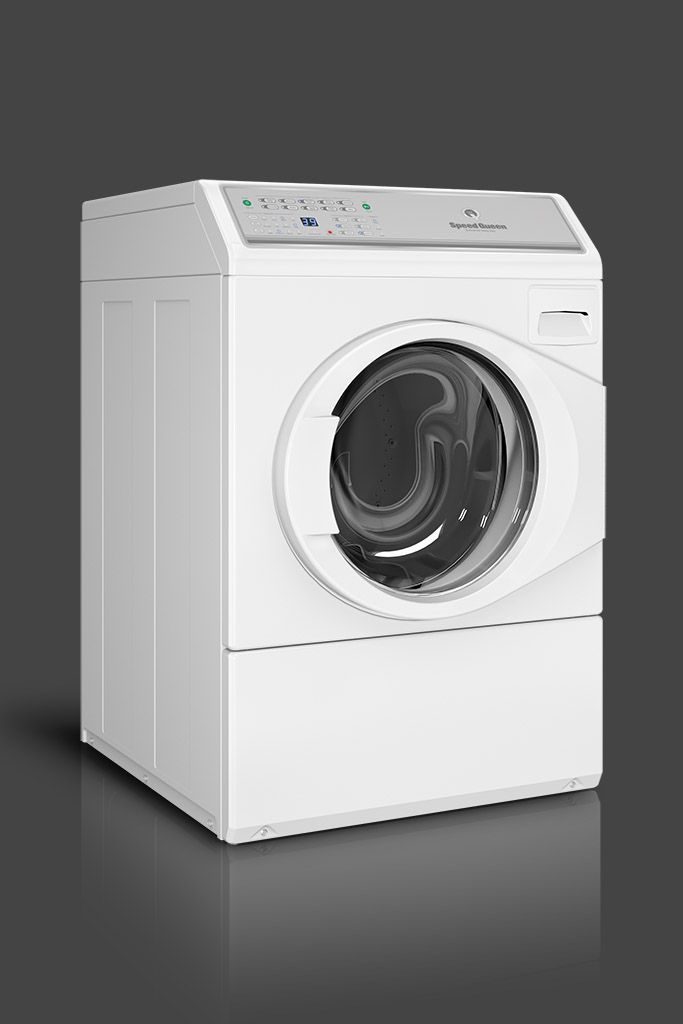
Service considerations in Pretoria Central
Our assessment relates to shared laundry facilities and hospitality washing demand. Tell us which of the following symptoms you are seeing so we can discuss the next step:
- Water remains in the drum after a busy morning
- A heavy load shakes the machine against its housing
- The door stays locked even when a cycle has ended
Do not operate equipment with leaking water near power connections, a damaged door lock, severe drum movement or repeated supply trips. Staff should not defeat guarding or door interlocks. Isolate affected equipment according to site procedures and identify it clearly as unavailable until assessed.