
Production-area cooling and machinery heat loads
Our Rosslyn service enquiries include cooling drops as a shift progresses, plant trips when production machinery starts and dust clogs the cooling equipment. We start from how the system is actually behaving and the installation conditions at the site, then discuss which diagnostic checks are appropriate for that model.
In Rosslyn production facilities, a process-adjacent cooling unit can lose capacity when the operating schedule, production heat or extraction arrangement changes. We ask whether the heat increase is local to one work zone or appears across the air-distribution system, because the answer determines which readings should be compared.
Common faults and how we approach them
- Cooling drops as a shift progresses
- Plant trips when production machinery starts
- Dust clogs the cooling equipment
Cooling drops as a shift progresses
A unit that begins the day adequately but becomes less effective after hours of operation may be exposed to high return-air temperature, a restricted coil, insufficient condenser air or protective control behaviour. We compare the change with production load rather than assuming the refrigerant charge is low. An evening restart that seems successful may conceal the same fault until the next shift.
Plant trips when production machinery starts
Starting current or voltage disturbance from other equipment can coincide with an air-conditioning fault. We ask the maintenance team whether other equipment trips and review the timing of controller alarms. Repeated manual resets may damage components and remove useful evidence; electrical checks should be conducted under the site’s isolation arrangements.
Dust clogs the cooling equipment
Manufacturing dust can affect filters, heat-exchanger surfaces and fan performance. A dirty filter is sometimes the symptom of a broader air-ingress or maintenance-interval issue, not the only correction needed. We consider whether nearby extraction is working and how frequently a unit can be safely accessed for inspection.
Planning the right service assessment
Production loads, controls and fault history
Before diagnosing a recurring shift-related problem, we compare the cooling schedule with the hours when process equipment is operating. A machine hall with intermittent high electrical demand can impose very different heat and supply conditions from an adjacent administration area. It helps to know whether ventilation or extraction fans were modified before the cooling complaint began. We look for a consistent pattern in controller alarms, unit start sequence, supply-air temperature and outdoor-unit operation. If the refrigeration components are healthy but air circulation is obstructed, replacement of expensive refrigeration parts is unlikely to solve the complaint.
Where several machines share the facility, the maintenance team should identify the exact unit number and the work area it serves. If the unit has an auto-restart setting, tell us whether an operator must clear an alarm manually. For a system that fails only after a particular process starts, noting that event and its time is more useful than a general statement that the building feels warm. We discuss which checks require the system to stop and whether the chosen time would interfere with production or staff safety.
Information that helps narrow the fault
Please identify the air-conditioning unit and record the approximate time of any shutdown, the indicated alarm, the operating demand and whether the affected area becomes warm before or after the alarm. These observations help separate an ongoing performance loss from a protective trip. Do not open panels to obtain a reading.
Can an industrial cooling unit be serviced without stopping a production line?
Sometimes inspection can occur with another unit operating, but isolation, plant access and affected process conditions decide what can be tested safely. We discuss the required downtime with the site contact before work begins.
For a service enquiry in Rosslyn, it helps to distinguish "cooling drops as a shift progresses" from "dust clogs the cooling equipment" when you speak with us. They can lead to different diagnostic checks even on the same installation. Share the stage at which the fault occurs and any conditions that changed immediately beforehand. We will discuss the next step after the relevant service arrangements and access needs are clear.
What to have ready before an appointment
Please provide the maintenance contact, production-shutdown rules and safe access details for roof or plant equipment. Tell us whether temperature changes affect staff comfort, stored components or a process requirement, and which measurement is already recorded by the plant.
Diagnosis and the repair decision
Confirming that the reported fault has been addressed
After the identified issue is addressed, an appropriate observation period should include the workload that originally triggered the problem. We explain which temperature, alarm or operating indicators the site team should monitor; a short unloaded start does not establish performance through an entire shift.
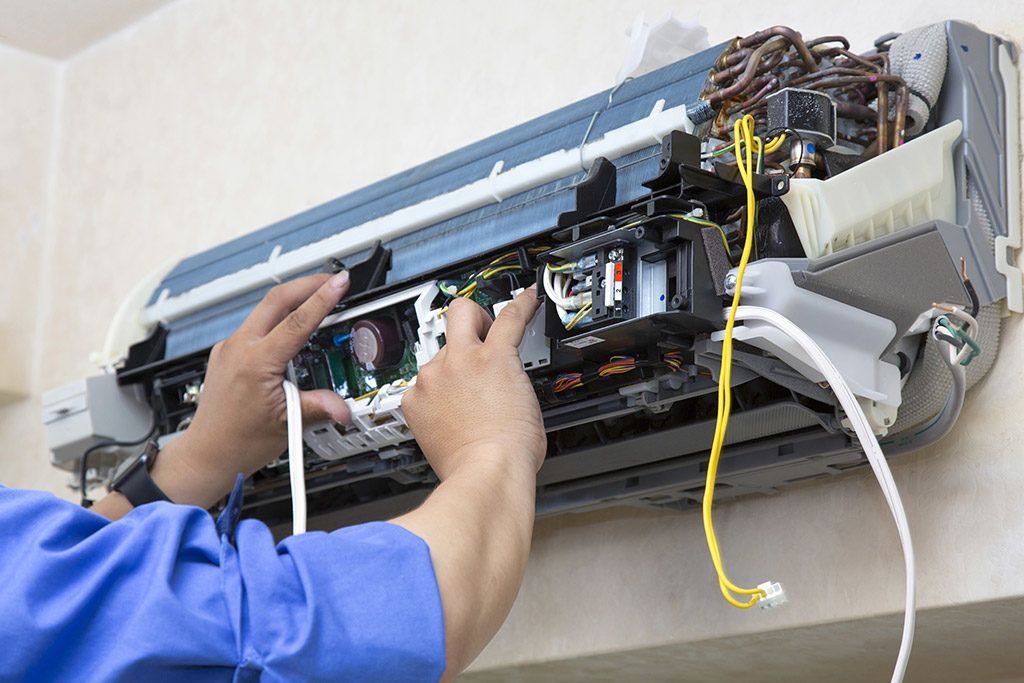
Service considerations in Rosslyn
Our assessment relates to production-area cooling and machinery heat loads. Tell us which of the following symptoms you are seeing so we can discuss the next step:
- Cooling drops as a shift progresses
- Plant trips when production machinery starts
- Dust clogs the cooling equipment
Electrical isolation, roof access, moving fans, pressurised refrigerant circuits and plant-area permits require appropriate authorised personnel. Do not reset a repeatedly tripping system or defeat an interlock to keep production cooling running. Where the site has a permit-to-work procedure, advise us in advance.